
Donate to Innerviews
Since 1994, Innerviews has provided uncompromising, in-depth interviews with musicians across every genre imaginable. And it does that with no trackers, cookies, clickbait, or advertising.
Your donations are welcome to help continue its mission of highlighting incredible music and artists, without any commercial considerations.
Your contributions will be instantly transformed into stories and videos, and cover hosting and web management costs. Importantly, your dollars will help ensure Innerviews remains absolutely free to all visitors, independent of their ability to financially support it.
Please consider making a donation today by using the PayPal QR code below.

Jerome Froese
Echoing Forward
by Anil Prasad
Copyright © 2026 Anil Prasad.
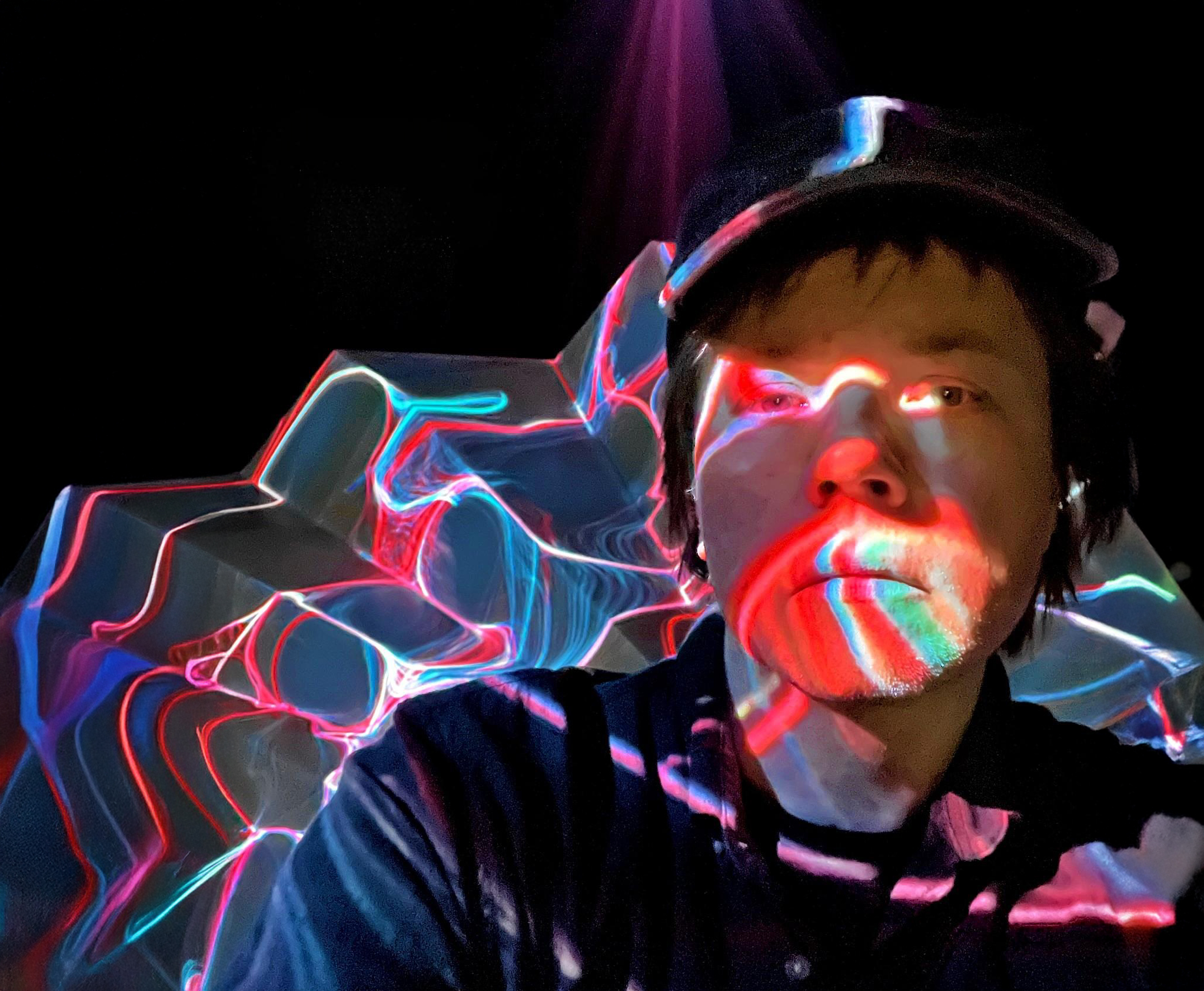 Photo: Anja KathmannFew musicians inherit a history as large as Jerome Froese’s—and fewer still manage to transform that history into something distinctly unique and personal. As the son of Edgar Froese, the founder of the pioneering group Tangerine Dream, Jerome grew up surrounded by synthesizers, tape machines, and the experimental spirit of Berlin’s electronic underground. But rather than simply upholding a legacy, he has spent his career actively shaping and evolving it, first as a key creative contributor to Tangerine Dream during one of its most productive eras, and later as a solo artist carving out his own musical language. Jerome Froese’s work represents both continuity and change. It’s a bridge between the classic electronic traditions of the 1970s and 1980s and a more hybrid, emotionally-driven approach to electronic composition today.
That hybrid intent is clearly expressed in his solo work, particularly on his new album Sunsets in Stereo. The record is atmospheric, reflective, and cinematic, built from unfolding textures, melodic elements, and rhythmic pulses that feel as much like environments as they do songs. Froese describes his method as “guitartronica,” a process in which the guitar is not just a lead instrument but a generator of loops, sequences, and ambient layers that are then processed electronically. On Sunsets in Stereo, this technique results in music that blends the warmth and expressiveness of guitar with the precision and expansiveness of electronic production, creating a sound that feels introspective, modern, and immersive.
Alongside his solo work, Froese has pursued a number of collaborative projects. One of the most notable is Loom, his long-running partnership with Johannes Schmoelling, a former member of Tangerine Dream, in which the two explore a melodic, rhythmically-driven form of electronic and ambient music. He has also worked with vocalist Claudia Brücken, known for her career with Propaganda and other synth-pop projects, contributing to recordings that place his atmospheric sensibilities in conversation with a more song-based framework and a strong narrative vocal presence.
Froese’s artistic identity was first shaped within Tangerine Dream, which he officially joined in 1990 after growing up alongside the band throughout his childhood. As a full member, he contributed guitar and keyboards, compositional ideas, and a contemporary sensibility to the group’s sound during a period when it was exploring new digital tools and reaching wider audiences. At the same time, his position as Edgar Froese’s son gave his involvement an added symbolic weight, linking generations within one of electronic music’s most influential lineages.
In recent years, Froese has returned to this chapter of his career through his Edition J series, a curated set of releases that document and revisit his work with Tangerine Dream. Rather than simple reissues, these editions present remastered versions, alternate takes, and archival material that highlight the creative process behind the music and restore lesser-known recordings to circulation. The project reflects Froese’s desire to preserve this material thoughtfully, while also serving as a reminder of his important contributions to the larger Tangerine Dream story.
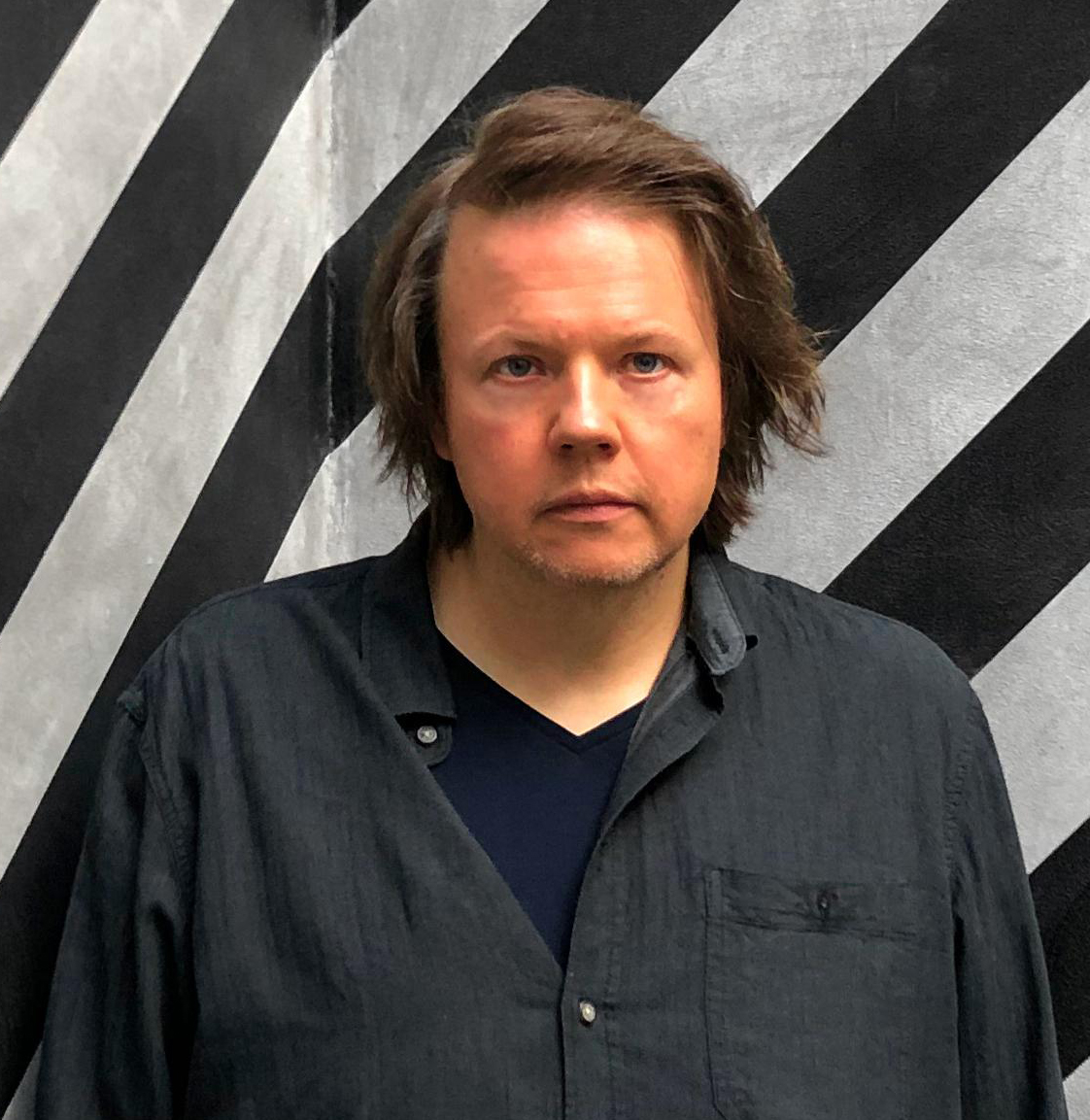 Photo: Anja Kathmann
You’ve said Sunsets in Stereo is about exploring resilience, reflection, hope, and overcoming noise. Describe how the music distills those ideas, as well as helps counteract the negativity so prominent in the world at the moment.
The album is mostly a reflection of the last 10 years of my life, which has been a very emotional and dynamic time. And then we had the COVID-19 pandemic. I also live only 800 kilometers from the war going on in Ukraine. So, I thought it was a good time to dive into something more positive with the album.
It’s mostly an instrumental album, so everybody will have their own opinion on how to feel about it. Some people said to me that my last solo albums were quite dark. I didn’t recognize that, but also for that reason, I thought, “Okay this time I will go in a more positive direction.” I think it worked out quite well in this way.
I’ve been in the music business for about 35 years, but my approach hasn’t changed music when I work on music. It’s still the same as years ago. My perspective when I go into a composition is to turn on my equipment and have a blank sheet with nothing on it. I’m not the guy who has a concept all the time when doing a track.
I’m very sensible about sounds and atmospheres. Mostly, I’m just playing around a bit, creating sounds on guitar and keyboard. I get inspired through the sounds. That’s where the fun is—to start from nowhere and not knowing where you’ll be going. When you’re in the composition, at a certain time, you think, “Okay, I’ll put some drums here. And I’ll put this atmosphere, here.” That’s how I did it 35 years ago when I made my first demos for Tangerine Dream. I’d say I’m more skilled now at doing it. I know better what direction I want to go with my music, but the composition process is almost the same.
You call your world of music guitartronica. Tell me about its evolution.
Something I’ve always wanted to do, even back in the ‘90s when I worked with Tangerine Dream, was work with guitars. Tangerine Dream originally came from the world of guitars. Edgar Froese, my father, was a guitar player in the first place. And in the ‘80s, I was mostly inspired by rock and heavy metal guitarists, like Eddie Van Halen. By the end of the ’80s, I was more interested in people from the independent rock scene, such as Robin Guthrie from Cocteau Twins.
When we used guitars for Tangerine Dream in the ‘90s, it was in the more traditional way. But I was interested in combining the equipment we had in the studio with guitars in an unusual way, using things like harmonizers.
When we worked on Turn of the Tides in 1993, we had my colleague Zlatko Perica playing guitar. I was cranking up the harmonizer and found a very unusual sound. Then I said to him, “Let’s play that sound with your guitar. That would be an interesting addition.” But he said, “Hey, I’m not the guy who plays sounds like that. If you want to do that, use a synthesizer.” I thought that was interesting, because I saw that traditional guitarists mostly only want to have their traditional sound, and not another sound.
Over the years, I continued experimenting with the guitar myself and treating it with interesting effects. I was also using sequences, pads, delays, and all kinds of stuff. By 2005, I felt I hadn’t reached my goal yet, but I felt I was doing something interesting and good enough to keep this heavy focus on guitars. And the term “guitartronica” just came out of nowhere at the time. It wasn’t a deep thought. People were using the term “electronica” a lot at the time, so I decided, “Okay, I’m using guitars and electronics,” so let’s use the word.
My perspective when I left Tangerine Dream in 2006 is it wasn’t because of my new direction with guitars or guitartronica. It was just that Edgar and I had different ideas about future collaborations. After my mother’s death, new people entered the scene and had their own influence. So, it was time to part ways.
My goal was to create my own sound. My first album Neptunes from 2005 sounds a lot more like the things I did with Tangerine Dream than Sunsets in Stereo. That’s because I’ve been experimenting and learning the whole time. But there wasn’t a concept on how to change or shape the sound over time. However, the possibilities for making music have changed over 20 years. There are so many interesting new gadgets coming out almost every day. Many are incredibly interesting and I add them to my sound.
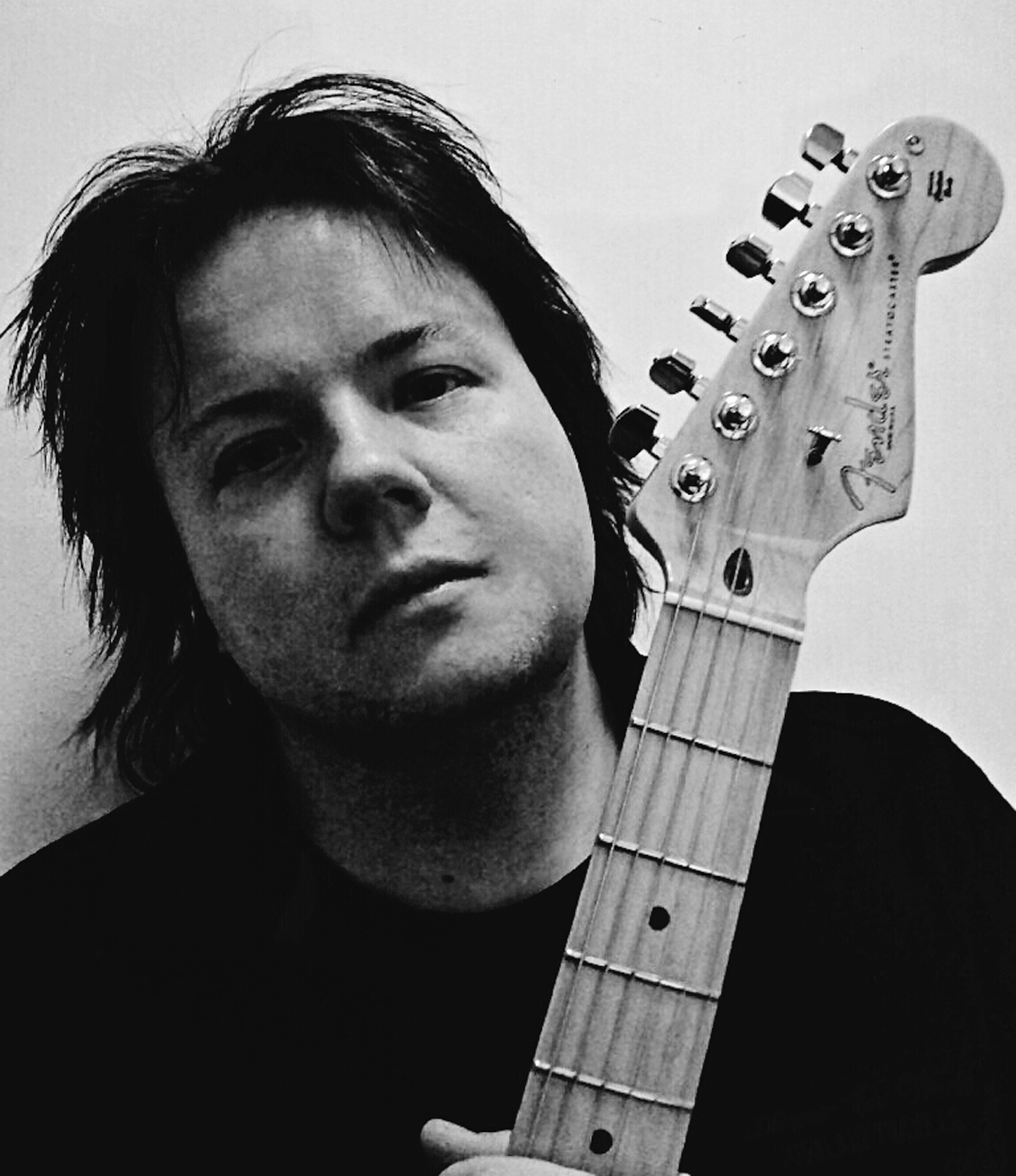 Photo: Anja Kathmann
“Feel Your Ghosts” finds you going into very heavy guitar territory. Talk about exploring that side of your musical personality.
As I said, I like heavy rock music, but the point of view for this song was almost like a Sigmund Freud session. It’s about hearing things in your head. And those things can be heavy, good, or bad. And the tune reflects the atmosphere of those thoughts and things in your mind you can’t explain. So, it has heavy guitars, but at the end, it’s a bit more light and maybe more melodic. It’s like a musical rollercoaster ride.
“The Clock That Forgot Time” is inspired by your Tangerine Dream experiences, and its video is full of historical band footage reflecting that. Discuss creating that piece.
Back in 2011, I started a project called Loom with the former Tangerine Dream member Johannes Schmoelling. The band’s 1980-’85 period was the most influential one on me. I was 10-11 years old when it began and it was the first time I really got into the group and saw how they do their music.
I wanted to create an homage to the old times and recreate the feel of early-‘80s Tangerine Dream. Then I thought, “How can I use video footage to reflect the song?” At first, I thought I could have a visual theme using clocks and mechanical elements to do that. And then I realized that we have in our archive a lot of footage from the early ‘70s going into the late ‘90s and most of it is already digitized. So, I thought, “Let’s create a video that shows my story.” The idea is that it was a bit like a biography of my time in the band.
When I went through all the material, it was hours and hours of footage. It was very interesting to see it all again. I wanted to get it down to the song length of five-and-a-half minutes. I first thought, “Okay, let’s focus on the early ‘80s to early ‘90s when I joined the group.” But it wasn’t possible within the time frame. I had five-to-seven hours of material chosen and I could have cut 100 videos without repeating a single sequence. In the end, I decided it’s okay to have a video which reminds people about early ‘80s Tangerine Dream, but through my eyes. You’ll see footage from the band when I was a kid spending time with them.
I didn’t expect the video to generate tens of thousands of views and hundreds of comments. People were going crazy over it and told me they were in tears watching it. So, I realized that this is also about their story and their experience with the band. It evolved into such an emotional thing for everybody.
In the album notes, you state “No AI music generators were used on this album.” What are your thoughts about the large-scale infiltration of AI in the world of music?
I’m not a fan of AI music. I think the attitude of the people behind it is very questionable. I’m putting it nicely when I say that.
Some of these people state that making music or learning an instrument isn't fun. But they use our creativity and skills to train their AI models. I think it’s crazy.
Last November, there was a court ruling against OpenAI in Germany that found using copyrighted song lyrics for training ChatGPT without a license violates German law. So, that was a first step towards stopping them. In the end, what they seek is for artists to get something in return for training the AI models. But I have to say, as an artist, I don’t want them to train models using my music at all. But this court ruling is a good first step.
You also wrote in the notes that when someone pirates your music, “You are not only harming me, but all buyers of this product.” Tell me about that perspective.
People give me hard-earned money for my record. If somebody is stealing it or posting it for free on YouTube, I believe they are harming everybody who invested money in this music. It’s not fair to the people who spend money for music. There are lots of my tracks on YouTube that people have posted. But most of the Bandcamp stuff isn’t there. And if you start talking about streaming, they have the music almost for free already. I hope people can understand the point I’m making.
It’s a great gift that I have listeners and fans that aren’t that young and are earning money and interested in hearing the music the best way they can. So, they are interested in buying a CD or LP or downloading the album as 24-bit WAV files.
I think if your audience is much younger, such as teenagers, you have to find a way to get to many streams that enable you to become an influencer. I don’t need to say much about the streaming portals. All artists think they are terrible, but you find almost all of them on the services.
What makes me angry is we have very big artists who complain about Spotify because of their low income, but they have the power to say, “Okay, I’ll leave Spotify if I don’t get a better rate.” But what often happens is they go back to Spotify to get a better deal for themselves, even though they have the power to get a better rate for all of us. They don’t do it. That’s very egotistical. All the other artists are still fucked. So, that’s why I dropped my whole catalog from Spotify many years ago. I thought, “Hey, why should I be there?”
My new album is on Spotify because my distributor said “We have to do it. Let’s try it.” They tried to argue that 80 percent of income from music now is via streaming and downloading. I said, “Not in my case. If I went to downloads only, I wouldn’t earn much money. I have to sell physical media. I have a lot of listeners who still buy it.”
This is a situation which you can mostly only have when you run your own label and say, “I’m doing it my way.” But it’s also good to have a distributor who puts the records out internationally, on Amazon and other places.
I’m not in the position in which I have to be on streaming. I cannot understand why if someone has 100,000 or 1,000,000 streams that they say, “I’m successful.” One million streams only generate a few hundred dollars. But in the industry, promoters and press say, “Okay, how many streams does this artist have?” And if it’s a certain number, they’re automatically successful. If not, they’re unsuccessful. Bullshit.
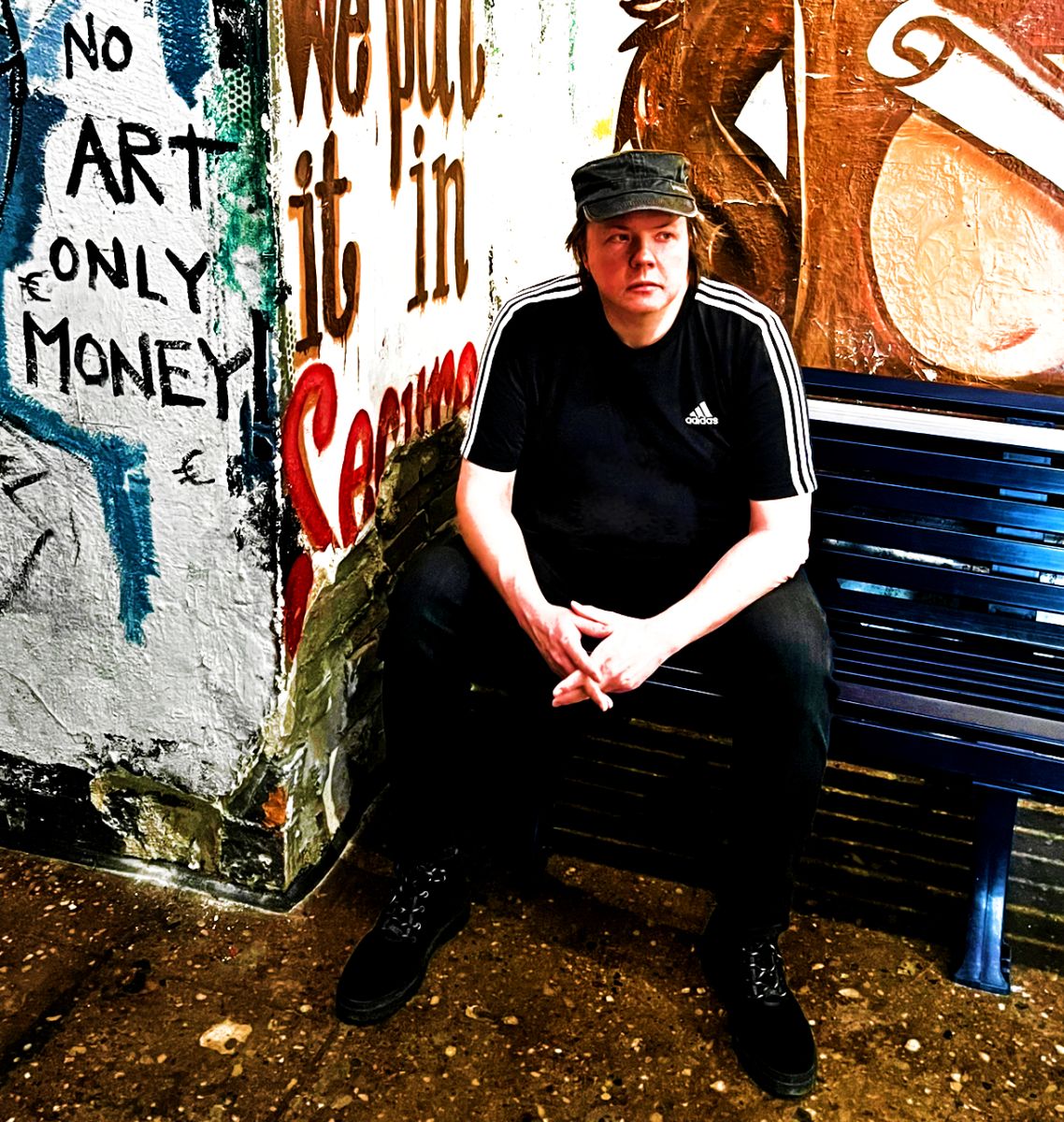 Photo: Anja Kathmann
You obtained the rights to more than 80 Tangerine Dream pieces for your Moonpop label. How were able to make that happen?
When I joined Tangerine Dream, we were already in the position to license our music instead of giving it away like Edgar did in the ‘70s with Virgin. Back then, he thought, “Okay, just take the advance and run, because nobody wants to buy the music anyway.” And then Phaedra came out, and suddenly it wasn’t a good deal in the end. Virgin has their Tangerine Dream catalog in perpetuity. Nobody’s getting this music back to rerelease it.
When I became part of the band, we decided we were going to use licensing deals to labels for five-to-seven years, get an advance for that, and after that period, we get our rights back. That was very good for me, because Edgar and I had an agreement that we have a 50/50 split for each track.
If you listen to the music, most fans can understand which track from my era is mostly made by Edgar and which is mostly made by me.
When I was about to leave Tangerine Dream in 2006, I would say that within the family, we were a bit incompatible. I said to Edgar, “If you die, hopefully many years from now, I don’t want to negotiate with my stepmother about what music I can put on the market. So, let’s put an arrangement together in which we both have our rights to the tracks we did during my time in Tangerine Dream.” And we went through the whole catalog and we said, “Okay, that’s more your track and that’s more my track.”
We created an agreement in which I got my tracks back from the Tangerine Dream years and I gave Edgar his tracks back. Unfortunately, Edgar died just eight years later. But I didn’t have to negotiate with anybody to bring the tracks back to the market. I own the complete rights, including publishing, and I can do whatever I want with those tracks.
Some years ago, people were knocking on my door saying, “Hey, do you want to sell your rights for a good amount of money?” I told them, “No. I want to keep this. It’s my life. I’m not interested in your money. You’d buy my tracks and it would become the property of some company on the stock market.” I didn’t want that, because I would then no longer have any control over my music and they would be able to do whatever they wanted.
Many musicians have sold their rights. I’ve heard the argument “I’m taking the money and whatever they do with it, I’m okay with it. I’m a musician, so I can do new tracks. So, who cares?” Okay, that’s an attitude you can have, but that’s not mine. It would be like giving my family away to somebody. I’m very happy that I have all the possibilities available to me in terms of what I can do with my catalog.
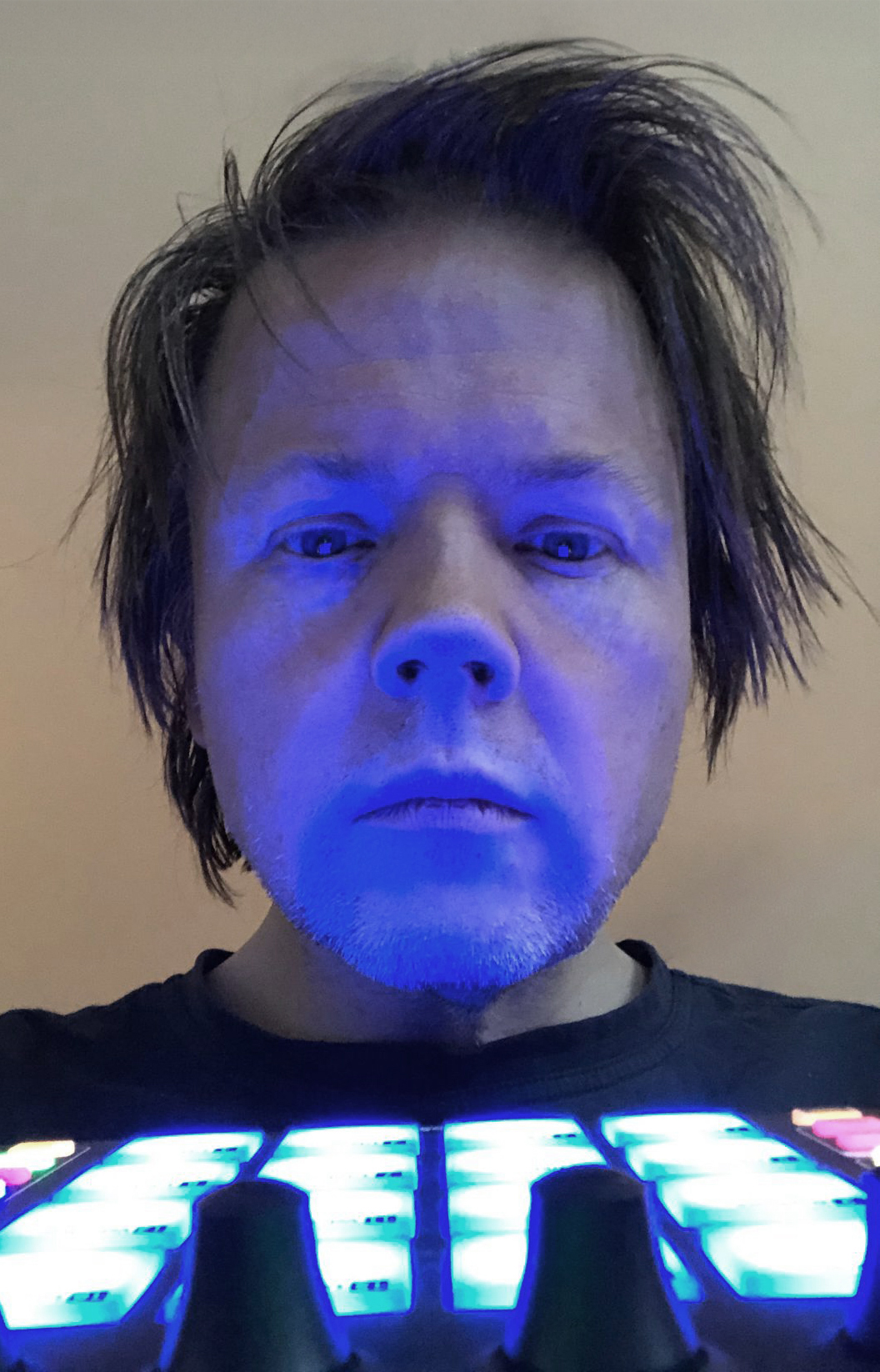 Photo: Jerome Froese
Describe the approach you’ve taken to rereleasing and reimagining the presentation of your Tangerine Dream music across your Edition J series.
It started during the COVID-19 pandemic. I had these tracks and thought, “Okay most of these are now 20 years old. I have the time, so let’s remaster this work. Let’s also see what else I have from those times.” I found a lot of bonus tracks, in addition to material from EPs.
It was possible to put this together in expanded form for Bandcamp. I admit I’m not the nice price guy with my releases. But if people are paying me so much money, they should get something out of the releases that’s more than the old stuff remastered. So, the idea came up to do ultimate editions which I called Edition J.
Many people ask me if these editions will be available on physical media. My plan is to rethink these releases for physical media. In 2026, I might do a box set, but I’m not sure.
I interviewed Edgar in 2009. This is what he said about your collaboration within Tangerine Dream: “Our working relationship shifted from being very harmonic and cool to very, very furious with horrifying fights about things we don’t like. For instance, he was moving very strongly in the DJ direction. He is also very influenced by new things like drum and bass, hip-hop, trip-hop, and breakbeats. All of that is okay, but not my piece of cake. But what I liked most about Jerome’s contribution is the way he very often turned things upside down.” What are your thoughts on his perspective?
I was never into hip-hop. I don’t know where he got that from. I did like trip-hop stuff, and I really got into breakbeat and drum and bass in the mid-‘90s. It was around 1995 when we did the first Dream Mixes album. I did those.
At the time, I said, “Okay Edgar, what about thinking a bit more modernly to make this music interesting to many more people?”
People often said Tangerine Dream were their heroes. They weren’t referring to me, but Edgar. And in 1995, Virgin rereleased their Tangerine Dream catalog because everybody was talking about recent ambient acts like Aphex Twin. Everyone was talking about ambient at the time.
The people from Virgin, who weren’t musicians, came to Austria to listen to our new material, which was the material that would become Goblins' Club in 1996. The Virgin people said, “There are so many bands and young musicians who want to work with you. Future Sound of London wants to remix the album and be involved.”
Edgar said, “No, we don’t need somebody to mix our album. We can mix our albums ourselves.” Edgar wasn’t aware they were talking about remixing. The idea of remixing wasn’t in his head or something he was interested in.
I was always interested in new music, but Edgar was more traditional. He loved classical music. He even really liked country music. During my childhood, when we drove across America, Edgar was always playing country music in the car.
Two albums I worked on, Rockoon and Tyranny of Beauty, got a very dynamic reaction from fans. Most people liked them. Some didn’t. At that point we were really focused on the American market, not the European market. So, it was more music for Americans. At that point, I thought, “Okay, let’s take songs from those albums and put them in a more European context.” So, I sat down and made the first Dream Mixes album. Edgar agreed in the end, and said, “It’s okay, if somebody wants it.” But he wasn’t really into it. But our label at the time, Miramar, was very interested in it.
From a success point of view, Edgar said, “Let's do more.” I don’t know if he really musically liked it, but going back to your question, working with Edgar was always a bit like yin and yang. One day it would be great and another day it was really terrible, because Edgar might be more about counting ideas. But he wasn’t someone who really got into every song. I was the guy who was fighting for every element. My perfectionist streak was a bit disturbing for Edgar. I’d say, “Let’s do this.” But Edgar would say, “No, the song is finished.” I’d respond, “Oh come on, leave me alone with this.” So, it was very hard to find a musical solution sometimes in terms of how to interpret or finish a song.
I wouldn’t say the kinds of music Edgar described were overwhelming everything in the band. I did a lot of stuff which totally fit into Tangerine Dream with no hassle between Edgar and me. Yeah, the DJ thing wasn’t something Edgar cared for. I did that for maybe three years under the name TDJ Rome here in Berlin in the early 2000s. It was fun. I had a chance to play completely different music that I liked. It was a great time. At the time, Berlin was mostly a city for techno, breakbeats, and drum and bass.
You were the subject of some harsh criticism from older Tangerine Dream fans for the modern elements you brought to the music. How did you handle it?
All through the decades, Tangerine Dream has been criticized for what it did. When Le Parc came out in 1985, people said, “Oh, that’s commercial. It’s all short tracks and has vocals.” When Cyclone was released in 1978, which I really like, most people again said, “Oh, it’s terrible because of the voice on it.” People have also criticized the albums that came before Atem, because they were so different. Some people even said Phaedra was total shit, because it was too commercial. So, criticism was there all the time.
We had a different focus when I joined the band. I was interested in guitars and drums. Edgar also wanted to change everything. He was never someone who said, “I’m looking backwards.” If you said to Edgar, “Let’s do something like the ‘70s or ‘80s, he’d say forget it.” He was always looking forward. And if you do things that way, many people won’t like the path you’re going on.
But other people did follow us that weren’t there before. Rockoon was the first album so many fans heard from Tangerine Dream and they loved it. Some of them would say, “And then I went to listen to Phaedra and Tangram, and they’re terrible to me.”
The way Edgar talked about it was that Tangerine Dream was a project in which people are joining and hopping off all the time. And that’s what we did in the ‘90s. When Christopher Franke left, I wasn’t aware of criticism. But it becomes something different when it’s about your own work and not the work of your family or people you know.
When we released Rockoon, there were some really harsh comments, including people who said we should stop making music. It’s something I had to go through as a 20-year-old. It wasn’t very amusing. I had to learn how to accept criticism and still say, “I have my vision and this is the music I want to do. If somebody doesn’t like it, that’s okay.” Edgar would say to me, “Don’t worry. We’ll do our thing.”
I’m only interested in doing things that are of interest in me. I think that’s a good attitude. In the first place, you need to do music for yourself. And with Tangerine Dream, it was very good, because we could go in any direction, even if maybe some people don’t want to accept that. But at least they wanted to hear it, even if they didn’t like it in the end.
Today, I don’t care about criticism anymore. If somebody says, some of the albums from the ‘90s were crap or new age, they were still successful. And they were more successful than most of the albums from the late ‘70s or early ‘80s. That’s a fact. There were really a lot of people who liked those albums. So, who’s right in the end?
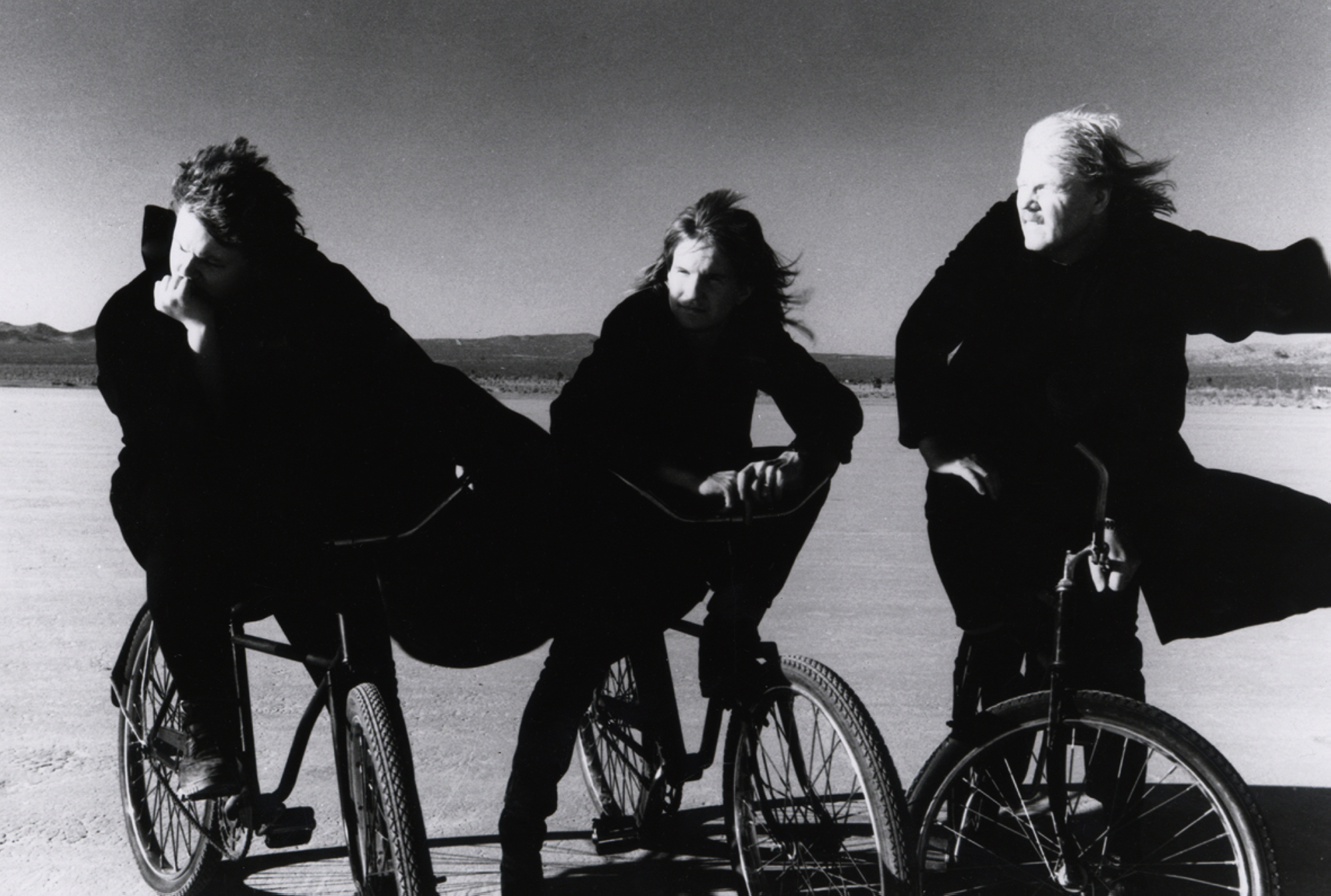 Tangerine Dream, 1990: Jerome Froese, Paul Haslinger, and Edgar Froese | Photo: Jim Rakete
How do you look back at Melrose, your first album with Tangerine Dream from 1990?
I played a guitar solo on the Lily on the Beach album from 1989, but Melrose was the first time I was a part of the band.
I was never in the position to say, “I want to be in the band.” I could have said that, but I didn’t. Back in the late ‘80s, I was working with musicians in Berlin. It was quite strange, because I felt most of the musicians weren’t taking it seriously and were doing the music as a hobby. I thought, “No, I’m really interested in doing something serious with music.” I got frustrated because some people wouldn’t show up and others went away.
I asked myself, “How can I do music my way and more easily?” At the time, Tangerine Dream had a deal with a computer company called Atari. Edgar said, “We have an Atari computer over here. If you want, take it and try and do something with it.” So, I got the computer and some sound modules. I got really creative and Edgar was interested. He would say, “Play me some things you’re doing at the moment.” I created what became demos for three songs for Melrose, including the title track, “Dolls in the Shadow,” and “Art of Vision.”
At the time, Tangerine Dream had scheduled a gig in February 1990 in Berlin. I said to Edgar, “Hey, it’s our hometown. What about if I come on stage for about 10 minutes and we play together, and then I move off stage?” Edgar said, “Yeah, good idea.” I talked to Paul Haslinger about this, but he wasn’t very excited about it. He thought, “The son is getting closer to the band. It’s getting a bit too family oriented.” Edgar came back to me and said, “Okay, we’ll do this, but you won’t be on stage for 10 minutes playing a guitar solo. You’ll get a place on stage and play the whole gig with us. And if you succeed, you can go on any stage, because we’re expecting 7,000 people.”
So, I played this gig, and it went fine. And I had these demos for three songs. In the summer of 1990, we all went to Austria and worked together on that album. It was really interesting for me. I got to learn so many things and work with all of the equipment. And I have to say Edgar and Paul were really great in working with me and sharing ideas. I enjoyed it a lot.
“Dolls in the Shadow” was put together with just Paul and me. We sat there for two days in Austria. Paul came up and said, “I have this idea for the drums.” For “Melrose,” I mostly did that one with Edgar. And then we had the other tracks in which I was in the minority and played here and there.
By the end of 1990, the album had come out, and we did our first UK tour with me as a member. Unfortunately, Paul left the band in late December 1990. He wanted to go to the US and do soundtracks. Edgar wasn’t very amused that Paul left. So, Edgar then said, “Okay, I don’t want to have a third member anymore. We’re doing it by ourselves now.” So that was mostly the process.
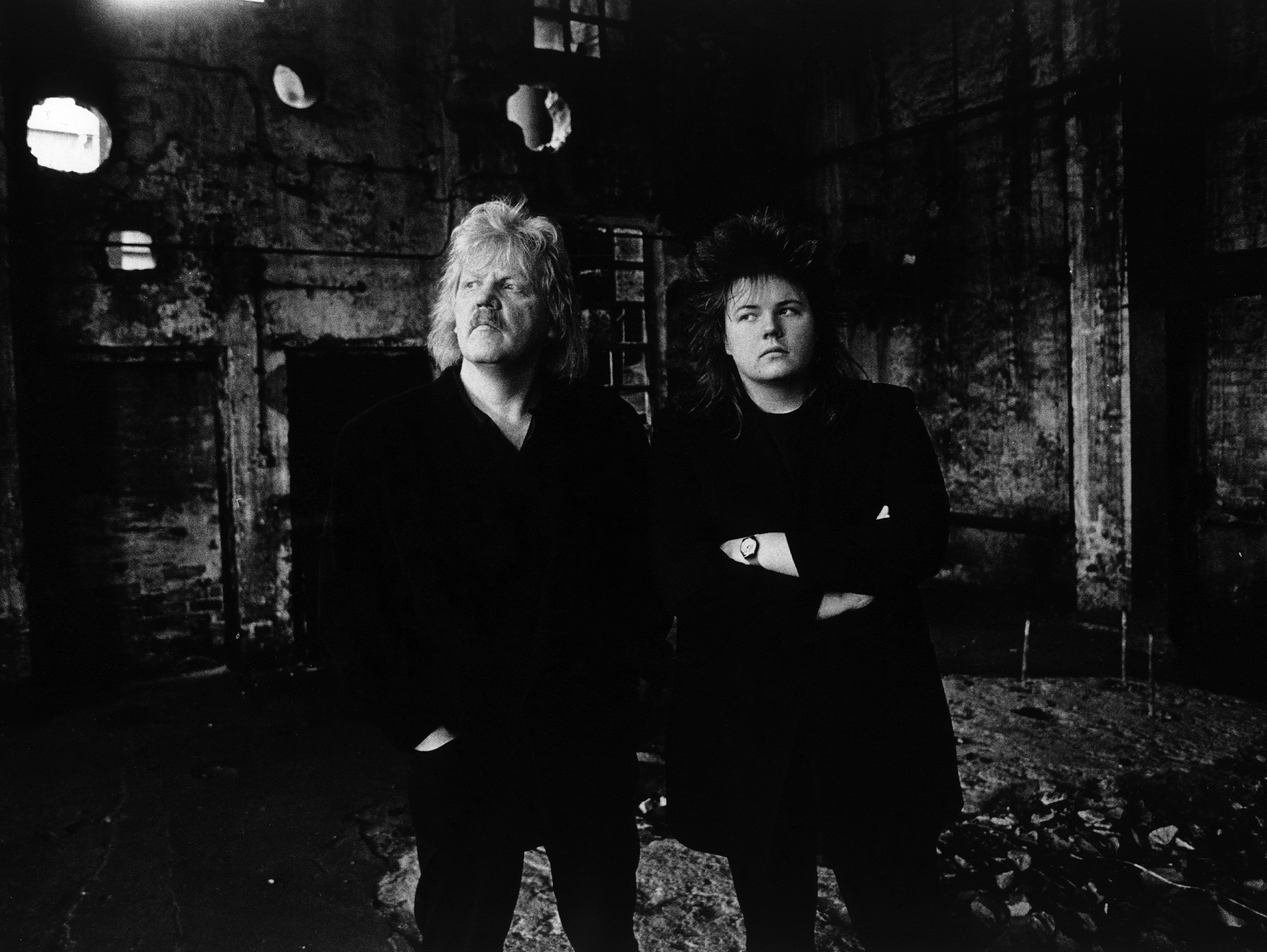 Tangerine Dream, 1991: Edgar Froese and Jerome Froese | Photo: Jim Rakete
In 2015, after Edgar’s passing that year, you released “Final Movement,” your last collaboration with him from 2013. Tell me about revisiting your creative relationship with him and your thoughts about the track.
That was a special track. It has to do with the Grand Theft Auto V video game soundtrack.
I’m a video game guy. I grew up in the ‘80s and owned Ataris, Commodores, and Amigas. We were all interested in the games of the era and what was possible with graphics. I still remember playing the first Grand Theft Auto game, and I followed the series after that.
In 2013, Edgar said to me, “We have a big project. It’s a soundtrack for a video game.” I said, “What’s the game?” He replied, “I can’t tell you. We have a very hard contract with the company, and I can’t say anything about it. But we need about 30 hours of music for it. It also involves music for scenes you play over and over until you succeed, and the player can’t be hearing the same music all the time. So, it must be different within the scene.”
By this point, I was not in Tangerine Dream. Edgar said, “I can do the music, but the other guys in the band don’t have any idea of what to do. They can’t do it.” I said, “I’m not in the band anymore and I’m not coming back. But I can help you and give you ideas.” Edgar still wouldn’t tell me what the game was.
And then one day, Edgar said, “We have to do something in the game where you’re driving in a car and there are radio stations.” I thought, “Okay, it’s Grand Theft Auto.” He said, “I won’t say yes and I won’t say no to that.” [laughs]
The problem is he had a really tough schedule. Edgar said, “We have to fly to Edinburgh and New York every month. In Edinburgh, they do the graphic assets. And New York is where the music supervisor is.” I said, “I’m not flying to those places once a month.” But I helped with the music and “Final Movement” is a leftover track from that Grand Theft Auto stuff.
“Final Movement” is the final piece we did together, but it wasn’t the final piece for the soundtrack. I had it on my hard drive for a long time. When Edgar died, I thought it would be good to bring it out because it’s a nice track with some nice sequencing. I did some interesting guitar stuff on it. We also worked together in a way we hadn’t previously, even during the latter years of our time in Tangerine Dream. I felt if we could have done more music like this, we could have worked together more.
Edgar did come to me and say, “Based on this stuff, maybe we can come together again to do something, but not within Tangerine Dream. Maybe for something else.” And I thought, “Yeah, call me anytime. We can do that.” But then Edgar died, unfortunately, and it never happened.
You were unhappy with the decision of former members of Tangerine Dream to continue using the band name in 2016 after Edgar’s passing. What are your thoughts about this 10 years later?
I was already asked when I was still in the band if I would carry on with it once Edgar retired. I always said then that I would never do this, because Tangerine Dream is Edgar’s project. He was the founder of the group, and he has the right to die with the group. In my opinion, to honor my father, I would not carry on with something which was all around his own project.
The problem is that people say Edgar wanted these people to carry on with the band, which really annoys me a bit. That’s simply not true. It’s nonsense. Maybe he was interested in Tangerine Dream carrying on as long as he was alive. That’s very different. But he never wanted Tangerine Dream to continue on without him.
When I talked to Edgar back in 2014, I told him, “Hey, you’re not looking very good at the moment. You have to step back a bit. You will regret it someday if you don’t.” He said back to me, “We already signed contracts with the people in Australia, but next year, I will step back a bit.” In 2017, he wanted to really step back to just studio work and no more live shows. I said, “Okay, if you have the time for that, do it like that.” But he died just a half-year later.
Most of the people in the band now, if they couldn’t use the name, would play in front of 20 people. I guess that this project will be squeezed dry. The fans’ habits prove it. They are not unsuccessful.
I haven’t heard a single note of music from them. I don’t know what they’re doing. I’m not into anything they do. But what I’ve heard is that they stepped back in time to what Tangerine Dream did much better in the ‘70s. That’s something Edgar never would have done. He was never focused on going backwards. They are just pleasing fans with new versions of old songs, and new songs which sound old.
I cannot judge if they still make good music. But why didn’t they do it with another name? Because nobody would listen to them. And that’s the main point.
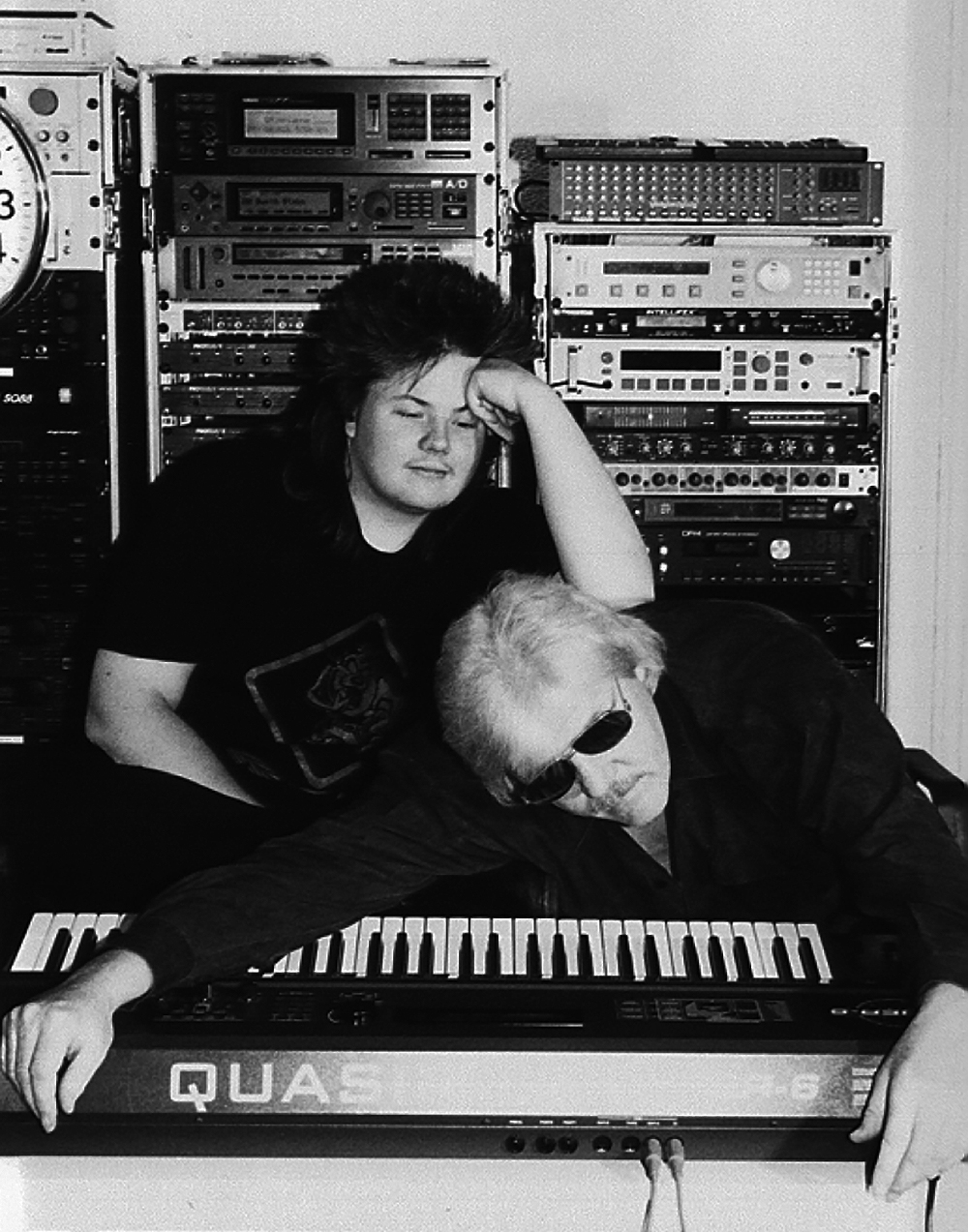 Tangerine Dream, 1996: Jerome Froese and Edgar Froese | Photo: Monique Froese
Discuss the Tangerine Dream photo and video archive you’re helming and what your goal for it is.
That’s a very big project that involves 10,000-plus pictures. It’s all analog photography, because most of it was done by my mother Monique Froese.
It’s an archive that began in the late ‘60s and goes on until the year 2000 when she died. During her lifetime, she gave me her whole archive as a gift. She said, “I want to give you this, because someday, you can get some use out of it.”
The problem is all of these pictures are mostly on slides and must be digitized. Digitizing a single slide can take up to five minutes and that’s before you work on the colors or cleaning it up.
What I wanted to do was create a photo book, but I have to go through the images and decide which are interesting and what people haven’t seen before. I’m slowly working on it, but it takes time.
A year ago, I tried to create some fan funding for it. I said to people, "It would be much better if we could give these photos to a company to digitize. And then I could get a digital artist to work on them." But this process is very expensive. In Berlin, if you want to digitize a slide, it costs 50-100€ before processing. And I have more than 10,000 pictures.
I wasn’t very keen to finance this myself, so I did the fundraising and said that this will benefit everybody, because we can do something with the photos. But I understand that people felt they didn’t want to give money to something in which they didn’t get something specific in the end. So, it didn’t work out so well. At least we got enough money to buy a professional scanner. But it’s just one machine and it will take time to scan everything.
What I want to do, because of the success I’ve had on YouTube, is digitize the photos and release them there. I can perhaps explain something about the photos and the biographical stuff. That may be a way we can give something back, without having to do a book.
So, that’s my plan. I’m also in touch with former Tangerine Dream members such as Johannes Schmoelling and Chris Franke. Maybe we’ll sit together one day, show the pictures, and discuss what’s on them as part of this. If we take this approach, I can realize this project more quickly for the public than to put a photo book out.
What keeps you motivated as a creative entity today to keep moving forward?
Music isn’t just a job, it’s a passion.
Making a song is such an interesting process. You sit there and start playing music or sounds, and shortly after that, you’re thinking “Where does this come from?” You don’t know. Who tells you to use this sound, that sound, or to put a bass line somewhere? The question of “Where is the input coming from?” amazes me. Is it from my brain or something else? It’s a bit of a spiritual process.
It’s also so interesting when you’re working on a track and finish it. You say, “Okay, now it’s finished.” But what tells you it’s finished? If you take a one-week break and hear it again, you hear it in a totally different way. And if you hear it years later, you’ll hear things in the track you could not have imagined before. Sometimes, when I listen back to tracks that are years old, I ask myself, “How did I do that? Why did I do that? What was the inspiration?” And those are the important questions, not “How much money can I earn from this track?” or “How many people will like it?” Of course, it’s good if you can earn something and people like it. But the initial satisfaction is to create something that fascinates you.
It’s such a great feeling when you start on or finish a track. There are some days I start a track and then after 10 minutes, I think, “Oh, it’s not my day today. I could go on, but I think I can do better.” And the next day, you start a different track or go back to the previous track, and everything comes together on the fly. This involves some emotions that are so special and you don’t want to miss that feeling. It’s what keeps me going to do the work. That’s the secret.
Watch the video podcast version of the interview: